
10 Warning Signs Your Aging Parents Need More Help Than They're Admitting

A parent can sound perfectly fine on the phone and still be quietly struggling at home.
Many older adults downplay problems because they do not want to worry their children, lose independence, or feel like a burden. Some are embarrassed. Others truly do not notice how much has changed. That leaves adult children looking for small clues: an unpaid bill, a dented bumper, a fridge full of expired food, a parent who suddenly stops going to lunch with friends.
One warning sign does not always mean a crisis. A pattern does. The goal is not to take over at the first sign of trouble. The goal is to notice early, talk respectfully, and add the right support before a fall, medication error, scam, or health setback forces a rushed decision.
This guide is informational only and is not a substitute for medical, legal, or financial advice. If there is immediate danger, confusion that came on suddenly, a fall with possible injury, or concern about self-harm, seek urgent help right away.

1. Medications are piling up, missing, or mixed together
Medication problems are one of the clearest signs that a parent may need more help. Look for bottles that are still full when they should be empty, duplicate prescriptions, expired pills, or loose tablets in drawers and bags.
A parent may say, “I take everything,” but the setup tells another story. They may be confused by new instructions, unable to open childproof caps, skipping doses to save money, or taking extra doses because they forgot the first one.
What to do next:
Ask them to walk you through their medication routine.
Make a current medication list, including over-the-counter pills and supplements.
Ask the pharmacist to review the list for duplicates or confusing instructions.
Use a pill organizer, blister packs, alarms, or medication delivery if needed.
Bring concerns to their doctor, especially if memory changes or side effects seem possible.
Try to avoid an accusing tone. “I’m confused by this bottle. Can we look at it together?” usually works better than, “You’re taking this wrong.”
2. Bills, mail, and paperwork are getting out of control
Unopened mail, late notices, collection letters, lapsed insurance, or utilities at risk of shutoff can point to problems with memory, vision, mood, or decision-making.
Some parents hide money issues out of pride. Others feel overwhelmed by online billing, password resets, scam calls, or complicated insurance letters. Even a parent who handled finances well for decades can start missing details.
Warning signs include:
Stacks of unopened envelopes
Duplicate charitable donations
Unusual withdrawals or transfers
Calls from creditors
Confusion about bank balances
New “friends” asking for money
What to do next:
Start small. Offer to help sort mail over coffee, not “take over the finances.” If they agree, set bills to autopay, create a simple filing system, and help them check credit reports and account alerts.
If there are signs of fraud, coercion, or serious financial confusion, speak with a trusted financial professional or elder law attorney. Financial safety is part of care, not a loss of dignity.
3. Personal hygiene or grooming has changed
A parent who was always neat may begin wearing the same clothes repeatedly, skipping showers, ignoring dental care, or appearing unshaven or unwashed. These changes can be easy to misread as laziness, but they often have practical causes.
Bathing can become scary after a near slip. Laundry may be hard if the machines are downstairs. Arthritis can make buttons, razors, and toothbrushes painful to use. Depression can drain the motivation to keep up with basic care.
What to do next:
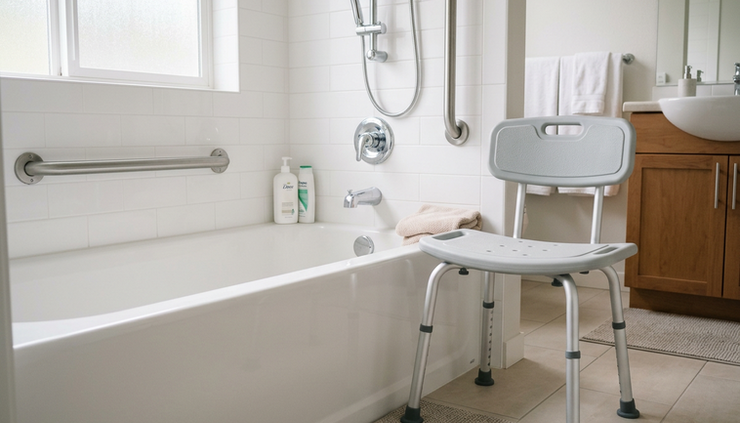
Look for the reason behind the change. Is the bathroom unsafe? Are clean clothes hard to reach? Do they need grab bars, a shower chair, a handheld shower head, or easier clothing?
If your parent resists help, frame it around comfort and safety. “Let’s make the shower easier to use” feels less threatening than “You need help bathing.”
4. The house looks less safe or less cared for
A messy house is not always a red flag. Some people have always lived with clutter. The concern is a change from their normal.
Watch for spoiled food, dirty dishes, strong odors, burned pans, pests, tripping hazards, broken appliances, or rooms that have become unusable. Also notice whether seasonal tasks are being ignored, such as changing air filters, clearing walkways, or maintaining heating and cooling systems.
What to do next:
Do not start by criticizing the house. That can trigger shame and defensiveness. Instead, ask what feels hardest to keep up with.
Support might include:
Grocery delivery
A monthly house cleaner
Laundry help
A handyman visit
Meal delivery
Removing loose rugs and cluttered cords
Better lighting in hallways and stairs
Small fixes can prevent big problems. A clear walkway and a working lamp can matter as much as a long care plan.
5. Driving has become more stressful, risky, or secretive
Driving is deeply tied to independence, so this is one of the hardest topics to raise. Still, changes in driving can put your parent and others at risk.
Look for new dents, traffic tickets, getting lost on familiar routes, near misses, drifting lanes, confusing pedals, or fear of night driving. Some parents begin limiting themselves, which can be a thoughtful safety choice. Others hide incidents because they fear losing the car.
What to do next:
Ride with them if they are willing. Notice reaction time, lane changes, speed, attention, and confidence. Ask whether certain routes or times of day feel harder.
Helpful next steps may include:
An eye exam and hearing check
A medication review for drowsiness or dizziness
A driving assessment through a qualified program
Limiting driving to daytime, familiar routes
Setting up rides through family, friends, community programs, taxis, or ride services
Avoid making the car keys the first battle. Build a transportation plan before asking them to stop or reduce driving. Losing driving without alternatives can quickly lead to isolation.
6. Falls, bruises, or “little accidents” are happening
Falls are sometimes brushed off as clumsiness. A parent may say, “I just tripped,” or “It was nothing.” Repeated bruises, fear of walking, holding onto furniture, or avoiding stairs can signal a bigger safety issue.
Falls can be linked to poor lighting, loose rugs, weak muscles, medication side effects, vision changes, dehydration, or balance problems. Even when there is no serious injury, a fall can make someone less active, which can increase weakness and fear.
What to do next:
Ask directly but calmly. “Have you fallen or almost fallen recently?” is better than waiting for them to confess.
If falls are happening, consider:
A medical checkup
Medication review
Vision and hearing checks
Physical therapy for strength and balance
Home safety changes
Proper footwear
A medical alert device if they live alone
Treat falls as useful information, not proof that your parent has failed. The right changes can restore confidence.
7. Meals are skipped or nutrition has slipped
Food tells a story. An empty fridge, expired milk, spoiled leftovers, or lots of packaged snacks can suggest that shopping and cooking have become too hard.
The reason may be physical, emotional, or financial. Your parent may have trouble standing at the stove, reading labels, chewing, swallowing, driving to the store, or eating alone. Grief and depression can also change appetite.
What to do next:
Share a meal and observe gently. Are they eating enough? Do they cough while eating? Are they losing weight, gaining weight unexpectedly, or avoiding foods they used to enjoy?
Possible supports include:
Grocery delivery
Prepared meals
Simple high-protein snacks
Dental care
A doctor visit for appetite, swallowing, or weight changes
Shared meals with family, neighbors, or community groups
If cooking is the barrier, do not make the plan too complicated. A few safe, easy meals they will actually eat are better than a perfect meal plan that sits untouched.

8. They are pulling away from friends, hobbies, or routines
Isolation can creep in quietly. A parent may stop attending religious services, cancel card games, skip exercise classes, or avoid neighbors. They may say they are “just tired,” but the real reason could be hearing loss, pain, embarrassment about memory lapses, depression, or fear of falling.
Social withdrawal matters because connection helps people stay active, mentally engaged, and noticed. When no one sees your parent regularly, small problems can become serious before anyone knows.
What to do next:
Ask what they miss, not why they stopped. “Do you miss going to the library group?” may open a better conversation than “Why don’t you go anywhere anymore?”
Look for practical barriers:
Can they hear well enough to enjoy conversation?
Do they have reliable transportation?
Are they embarrassed by incontinence, mobility changes, or memory issues?
Do they need a companion for the first few outings?
One regular activity can make a difference. Start with something familiar and low pressure.
9. Memory slips are affecting daily life
Everyone forgets names or misplaces keys sometimes. The concern is memory trouble that affects safety, judgment, or daily routines.
Examples include getting lost in familiar places, missing appointments repeatedly, leaving the stove on, forgetting meals, paying the same bill several times, or becoming confused about time. Personality changes, suspicion, or sudden trouble managing familiar tasks can also be warning signs.
What to do next:
Write down specific examples with dates if you can. A doctor will get more from “left the stove on twice this month” than “seems forgetful.”
Schedule a medical evaluation. Some causes of confusion or memory changes can be related to medications, sleep problems, infections, dehydration, mood, thyroid issues, vitamin deficiencies, or other health concerns. A clinician can help sort out what is happening.
If your parent resists, connect the visit to a concrete issue: sleep, dizziness, medication concerns, or a general wellness check.
10. Their mood, judgment, or personality seems different
A parent who becomes unusually anxious, irritable, suspicious, withdrawn, impulsive, or tearful may be struggling with more than normal aging. Watch for sudden anger, poor judgment, giving away money, neglecting pets, hoarding, or believing things that do not match reality.
Mood and behavior changes can come from grief, depression, anxiety, pain, medication effects, cognitive changes, substance use, or medical illness. Sudden confusion or drastic behavior change needs prompt medical attention.
What to do next:
Lead with concern, not blame. “You seem more worried lately, and I care about what’s going on” is more helpful than “You’re acting strange.”
If there are safety concerns, involve a doctor, mental health professional, or local support service. If your parent talks about wanting to die, self-harm, or harming someone else, treat it as urgent and seek emergency help.
What adult children should do next
Noticing the signs is only the first step. The harder part is responding in a way that protects safety while preserving trust.
Start with observation, not accusation
Use specific examples and a calm tone.
Try:
“I noticed the mail is piling up and the fridge has a lot of expired food. I’m not here to judge. I want to understand what’s been harder lately.”
Avoid turning the first conversation into a full care plan. Listen first. Your parent may reveal pain, fear, embarrassment, or a problem they have been hiding.
Look for patterns over time
One missed bill or messy week may not mean much. Several changes across medication, food, hygiene, driving, and mood deserve attention.
Keep a private note with dates and examples. This helps you speak clearly with siblings, doctors, or care professionals without relying on vague impressions.
Bring in the right help
Support does not have to mean moving out of the home. Many families begin with light help and adjust over time.
Options may include:
A primary care appointment
Medication packaging from a pharmacy
Housekeeping or laundry help
Meal delivery
Transportation support
Home safety modifications
Physical therapy
A geriatric care manager
In-home care
Legal planning for powers of attorney and advance directives
The best plan often combines family support, professional guidance, and your parent’s own preferences.
Share the load when possible
If siblings, relatives, or trusted friends are involved, divide tasks clearly. One person might handle medical appointments, another finances, and another weekly check-ins.
Avoid vague promises like “Let me know if you need anything.” Specific help works better: “I can take you to the doctor on Tuesday” or “I can set up grocery delivery this weekend.”

A steady response is better than a rushed rescue
The signs that aging parents need more help than they are admitting are often subtle at first. A medication bottle left untouched. A bill hidden under a magazine. A sudden excuse to stop driving at night. A missed shower. A fall described as “nothing.”
Take those clues seriously, but do not treat every concern as a crisis. Start with respect. Ask better questions. Watch for patterns. Bring in medical, financial, or caregiving support where it fits.
The aim is not to take away independence. It is to protect the parts of independence that still work, and support the parts that have become too heavy to carry alone.


Comments